
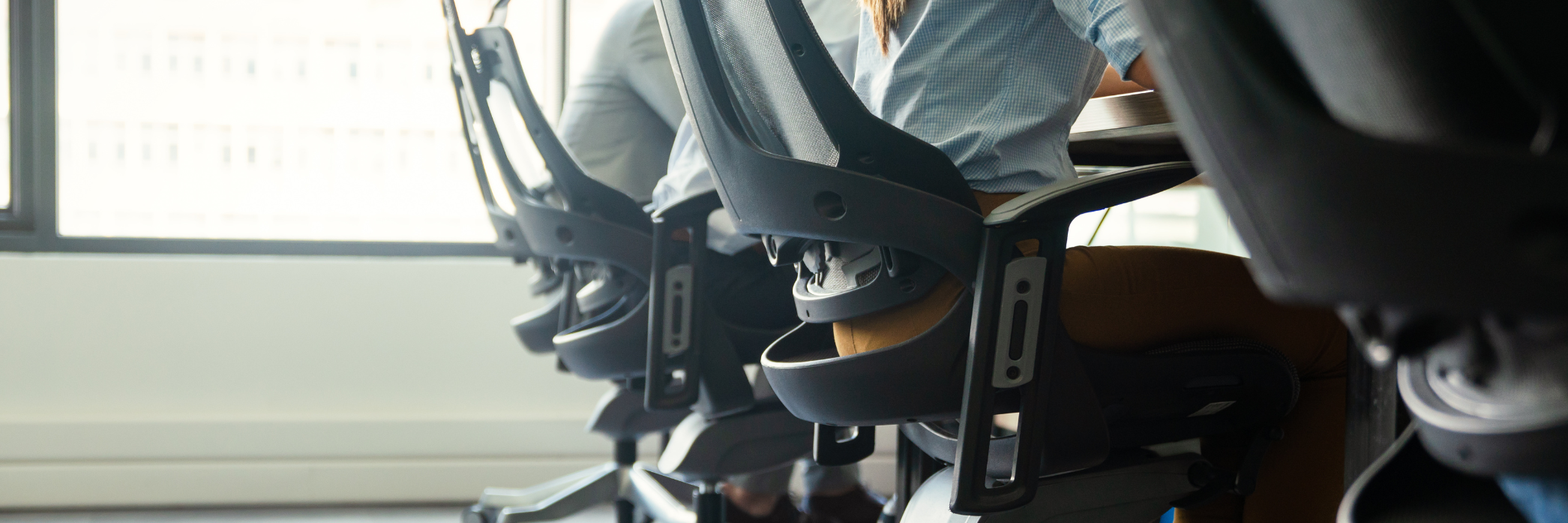
Why Ergonomics Isn’t Just About Office Chairs
When people hear the word “ergonomics”, they often picture an office worker adjusting their chair or positioning a computer screen. While workstation setup is an important part of ergonomics, it’s only a small piece of the puzzle.
Ergonomics is about designing work, tasks and environments to suit the people performing them. Whether an employee works in an office, warehouse, healthcare setting, retail environment or out in the community, poor ergonomics can contribute to discomfort, fatigue and musculoskeletal injuries.
Ergonomics Applies to Every Workplace
Many jobs involve activities that place strain on the body, including:
- Lifting, carrying, pushing or pulling loads
- Repetitive movements
- Prolonged standing or sitting
- Awkward postures such as bending, twisting or reaching
- Working with poorly positioned tools or equipment
Over time, these factors can increase the risk of musculoskeletal injuries affecting the back, shoulders, neck, arms and legs.
Common Ergonomic Risks Beyond the Office
While desk workers may experience neck, shoulder or upper limb discomfort, employees in other industries face different ergonomic challenges.
Healthcare and Community Services
Healthcare workers often perform manual handling tasks, assist clients with mobility, and adopt awkward postures throughout the day.
Warehousing and Logistics
Frequent lifting, repetitive handling and high physical demands can place significant strain on the body if tasks and equipment are not optimised.
Retail and Hospitality
Long periods of standing, repetitive movements and stocking shelves can contribute to fatigue and injury risk.
Manufacturing and Trades
Workers may use vibrating tools, perform repetitive tasks or work in confined spaces that place additional stress on muscles and joints.
Good Ergonomics Is Good Business
Investing in workplace ergonomics delivers benefits beyond injury prevention.
Effective ergonomic solutions can help:
- Reduce the risk of workplace injuries
- Improve employee comfort and wellbeing
- Minimise lost time and absenteeism
- Support productivity and performance
- Reduce workers compensation costs
- Create safer, more sustainable workplaces
Small adjustments can often make a significant difference when implemented early.
Practical Ergonomic Solutions
Ergonomic improvements don’t always require major investment. Solutions may include:
- Redesigning tasks to reduce repetitive movements
- Introducing mechanical aids for manual handling
- Adjusting workstation heights
- Improving tool and equipment selection
- Rotating tasks where appropriate
- Providing education on safe work practices
The most effective solutions address the source of the risk rather than relying solely on employees to change their behaviour.
How Rehab Management Can Help
At Rehab Management, our consultants work with employers across a wide range of industries to identify ergonomic risks and develop practical solutions.
Through workplace assessments, ergonomic reviews and injury prevention strategies, we help organisations create safer workplaces, reduce injury risk and support their employees to perform at their best.
Because ergonomics isn’t just about office chairs. It’s about ensuring every worker has the right environment, tools and support to work safely and sustainably. Get in touch with us today to find out how we can assist you.


