


Return to Work After Mental Health Leave

Table of Contents
Why returning after mental health leave can be difficult
Employees returning from mental health leave may feel uncertain about workload, expectations, team reactions, privacy, performance or relapse. Managers may also be unsure how to provide support without overstepping.
A thoughtful return-to-work process can help reduce stress and support a more successful transition.
How EAP can support employees returning to work
EAP counselling can help employees:
- Prepare for returning to work
- Manage anxiety, stress or uncertainty
- Build coping strategies for the first weeks back
- Clarify boundaries and support needs
- Prepare for conversations with managers or HR
- Identify signs that more support may be needed
EAP can be especially useful when employees feel ready to return but still need a private place to talk through concerns.


How EAP can support managers
Managers may need guidance on how to support an employee returning after mental health leave. EAP manager support can help leaders:
- Communicate respectfully
- Understand what is appropriate to ask
- Encourage EAP access without pressuring employees
- Support reasonable adjustments where appropriate
- Identify signs that an employee may need additional support
- Maintain confidentiality and boundaries
Managers do not need to be clinicians. Their role is to provide a safe, respectful and practical workplace response.
What makes a return-to-work plan more effective?
A good return-to-work approach may include clear duties, realistic workload, regular check-ins, agreed communication, privacy protections and flexibility where appropriate.
For some employees, return-to-work planning may involve medical providers, HR, insurers or rehabilitation providers. EAP can sit alongside those supports.
When should EAP be offered?
EAP can be offered before an employee returns, during the first weeks back and at any point after return if the employee is experiencing stress, anxiety or uncertainty. Early support can help prevent setbacks.

How Senda Psychology and Rehab Management support return to work
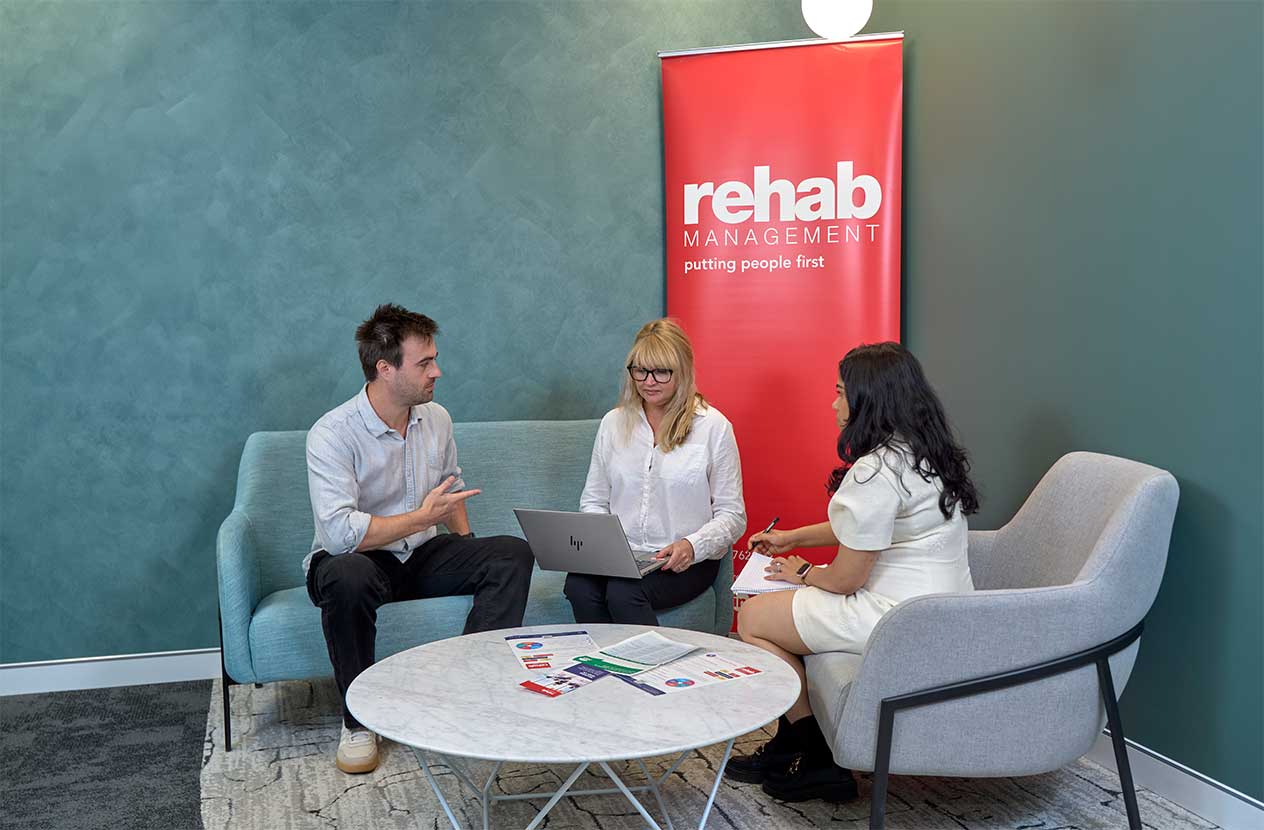
Senda Psychology provides confidential EAP counselling and workplace mental health support, while Rehab Management has extensive experience in return-to-work and workplace rehabilitation. This combination helps organisations support employees with both wellbeing and practical workplace considerations.
Frequently asked questions
Yes. EAP can help employees prepare for return to work, manage anxiety or stress and build practical coping strategies.
Yes. Manager support can help leaders communicate appropriately, maintain boundaries and refer employees to suitable support.
No. EAP provides counselling and support. A return-to-work plan may involve workplace, medical, HR, insurer or rehabilitation stakeholders.
Both. EAP can support employees before they return, during the transition and after they are back at work.
Employee Assistance Program (EAP)
Confidential counselling and wellbeing support for employees experiencing personal or work-related challenges.
Critical Incident Response
Responsive psychological support for employees and teams following serious or distressing workplace incidents.
Manager Assist EAP
Confidential guidance for managers dealing with difficult conversations, employee wellbeing concerns, conflict or performance issues.
Workplace psychology services
Workplace-informed psychological support for employees and organisations.
Mental Health First Aid Training
Help people identify, understand and respond to someone experiencing a mental health problem or crisis
Need support for employees returning after mental health leave?
Senda Psychology and Rehab Management can help your organisation provide EAP and rehabilitation-informed support for return-to-work transitions.