
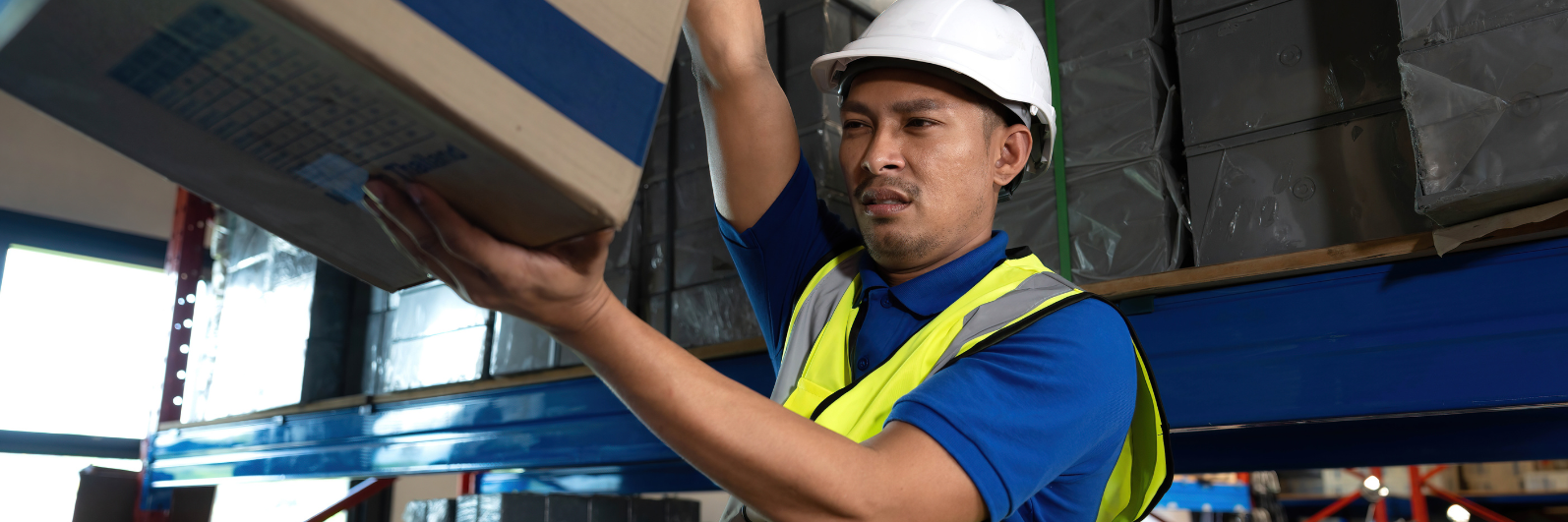
Manual Handling: Why Getting It Right Matters
Manual handling is a part of everyday work for many industries – from healthcare and construction to warehousing and office environments. It involves lifting, carrying, pushing, pulling, or moving objects by hand or bodily force. While it might seem routine, incorrect manual handling is one of the leading causes of workplace injuries, often resulting in musculoskeletal disorders (MSDs) such as back pain, strains, and sprains.
Why Is Manual Handling So Important?
Getting manual handling right isn’t just about ticking a compliance box – it’s about protecting people. Poor technique or cutting corners can lead to:
- Injury and long-term health issues: Even a single incorrect lift can cause serious harm, and repeated poor practices increase the risk of chronic conditions.
- Reduced productivity: Injuries mean time off work, which impacts both the individual and the organisation.
- Financial costs: Workers’ compensation claims, medical expenses, and lost productivity add up quickly.
- Emotional impact: Injuries affect not only physical health but also mental wellbeing, creating stress for employees and their families.
Why Cutting Corners Is Risky
It’s tempting to rush or ignore proper technique when under pressure, but shortcuts often lead to accidents. Common mistakes include:
- Lifting loads that are too heavy without assistance.
- Twisting while carrying objects instead of turning the whole body.
- Failing to use available equipment like trolleys or hoists.
- Skipping team lifts when required.
These behaviours might save seconds in the moment, but they can cost weeks or months in recovery.
Best Practice for Safe Manual Handling
To reduce risk:
- Assess the load: Is it too heavy or awkward? Can you break it down or get help?
- Plan the lift: Clear your path and know where you’re going.
- Use proper technique: Bend your knees, keep your back straight, and hold the load close to your body.
- Use equipment: If mechanical aids are available, use them.
- Speak up: If a task feels unsafe, raise it with your manager.
The Bigger Picture
Safe manual handling is about creating a culture where health and safety come first. Training, awareness, and the right tools empower employees to work smarter, not harder. At Rehab Management, we believe prevention is key – because every injury avoided is a win for both the individual and the organisation.